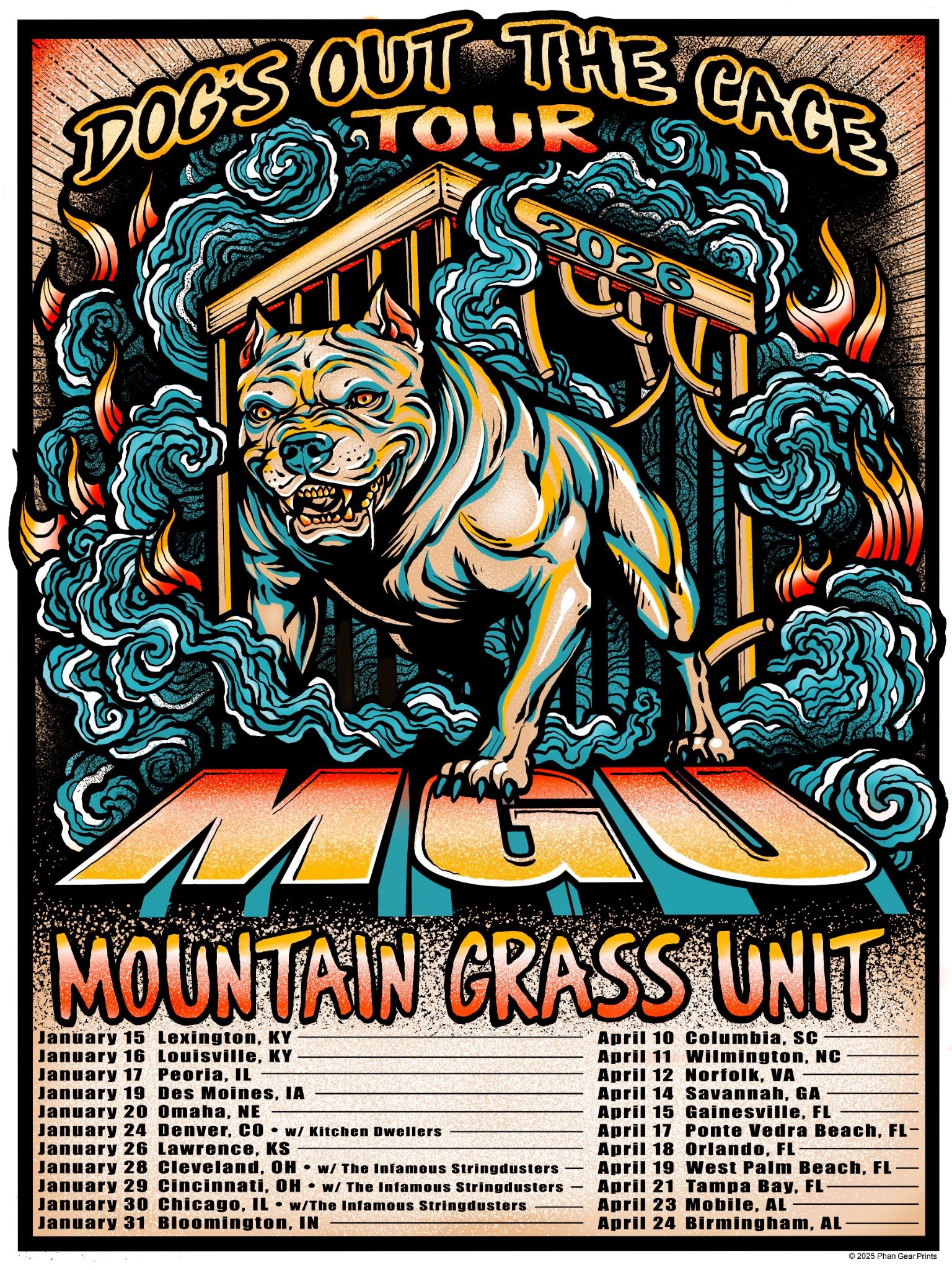
Tour poster
2 shows · 2 cities
Dec 5, 2026 – Dec 30, 2026
Concert tickets · tour dates · upcoming events
Dec 5, 2026 – Dec 30, 2026
Mountain Grass Unit's current live run brings the warmth and momentum of acoustic string music into rooms built for close listening and shared singing. Expect a sound rooted in bluegrass tradition, with driving picking, tight vocal harmonies, and unhurried storytelling that rewards attentive ears, all delivered by players who clearly enjoy sharing a stage. The atmosphere tends to be relaxed yet focused, with audiences ranging from longtime followers of traditional string music to newcomers drawn in by the band's blend of old-time roots and contemporary songwriting. Listeners who love fiddle, mandolin, and banjo textures will find plenty to savor, while anyone seeking a spirited evening of live music is likely to leave with a new favorite tune stuck in their head. The tour stands out for its considerable length and the wide geographic spread it covers, moving through a varied mix of venue types that shapes how each night unfolds. A quiet ballad can settle a small room into silence, while an up-tempo instrumental can lift a larger hall to its feet. The typical set moves with purpose, alternating fast numbers that build energy with slower songs that let the harmonies breathe, so the pacing keeps the crowd engaged from the opening count-off to the final encore. Whether you have followed the band for years or are discovering it for the first time, this run offers a chance to hear the music up close. Scroll down and check the dates table below to find the stop nearest you and plan your evening out.
No dates match that filter.
No shows are on sale just now. New dates are listed here the day they are announced.
2 shows · 2 cities
Dec 5, 2026 – Dec 30, 2026
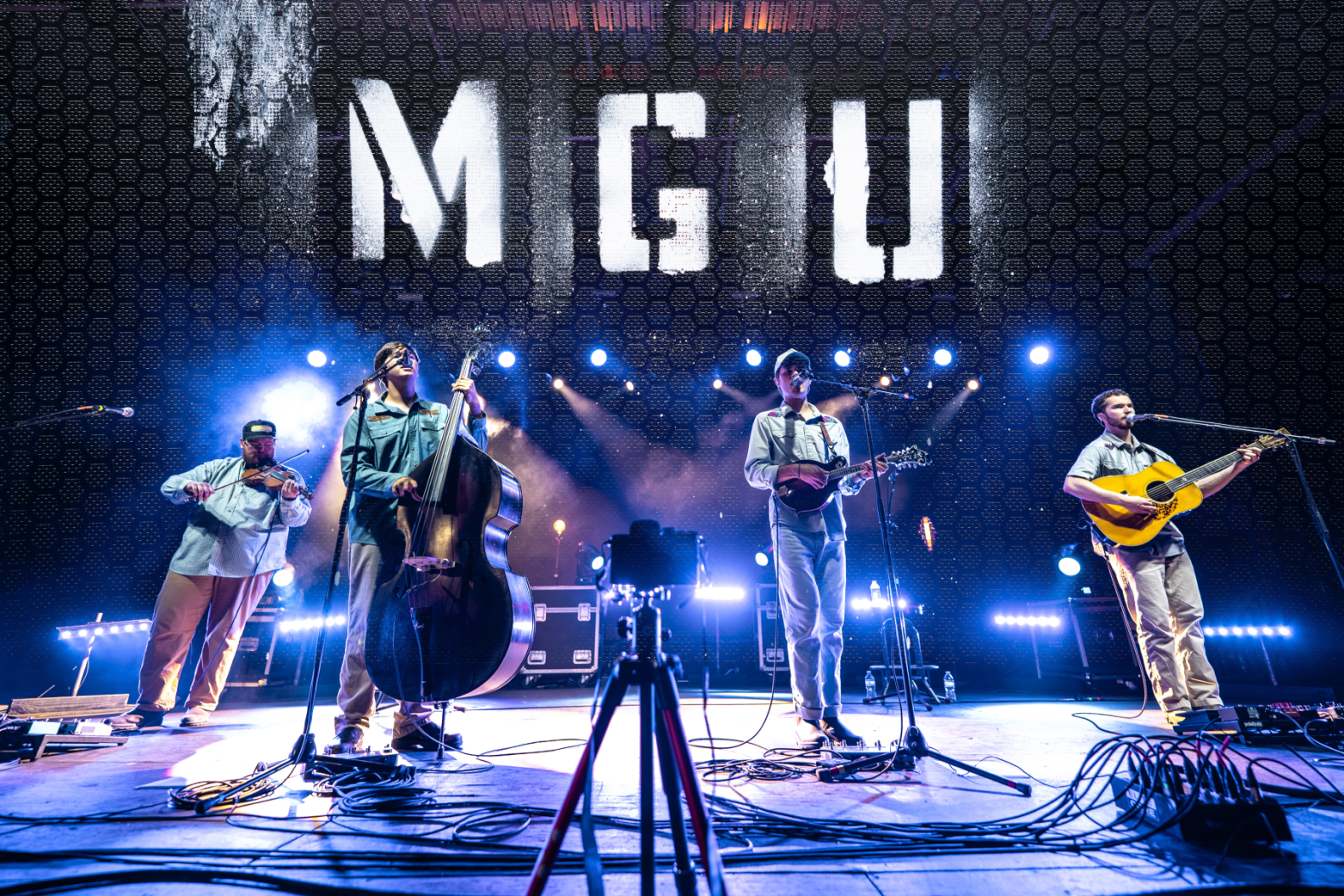
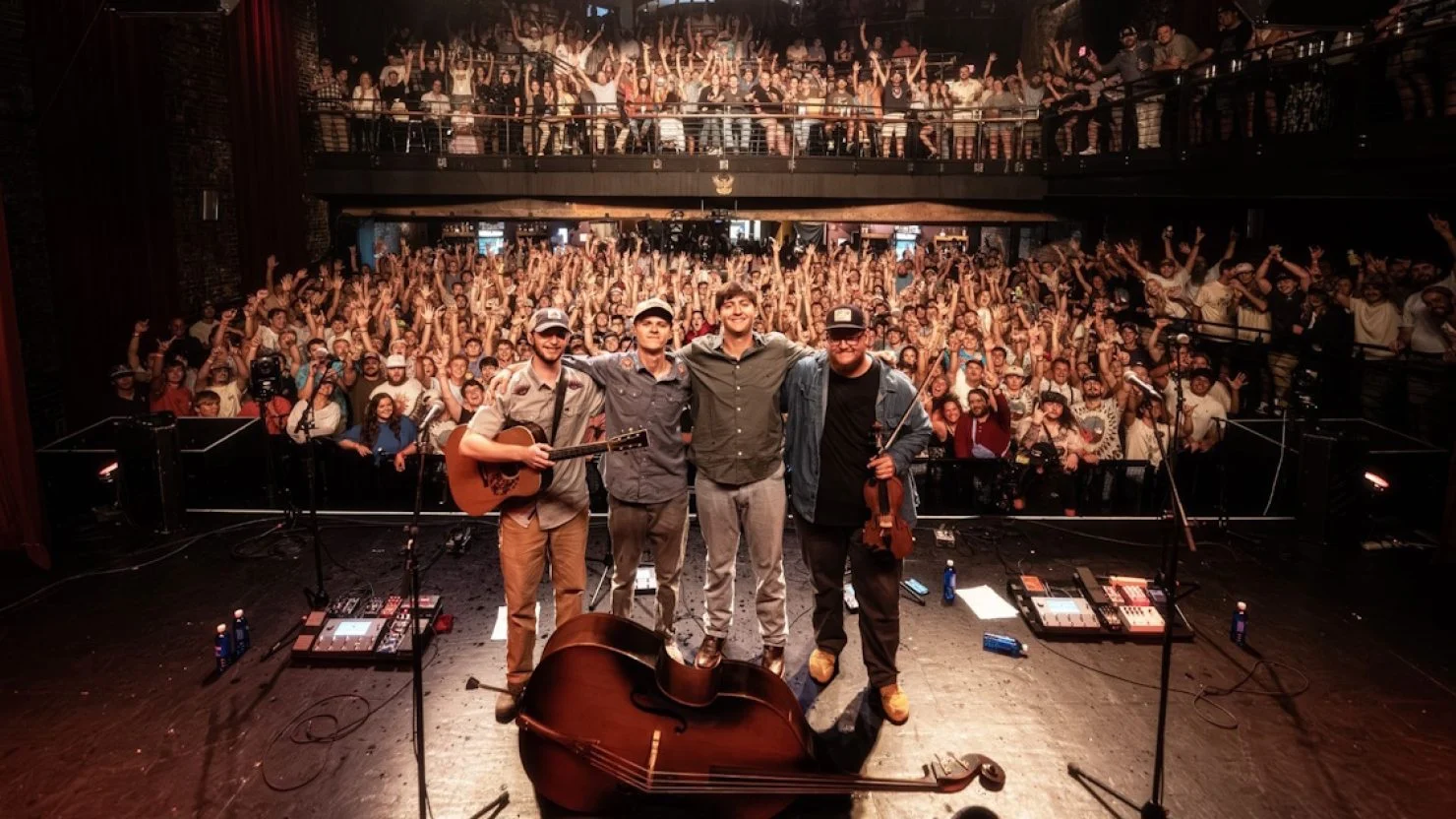
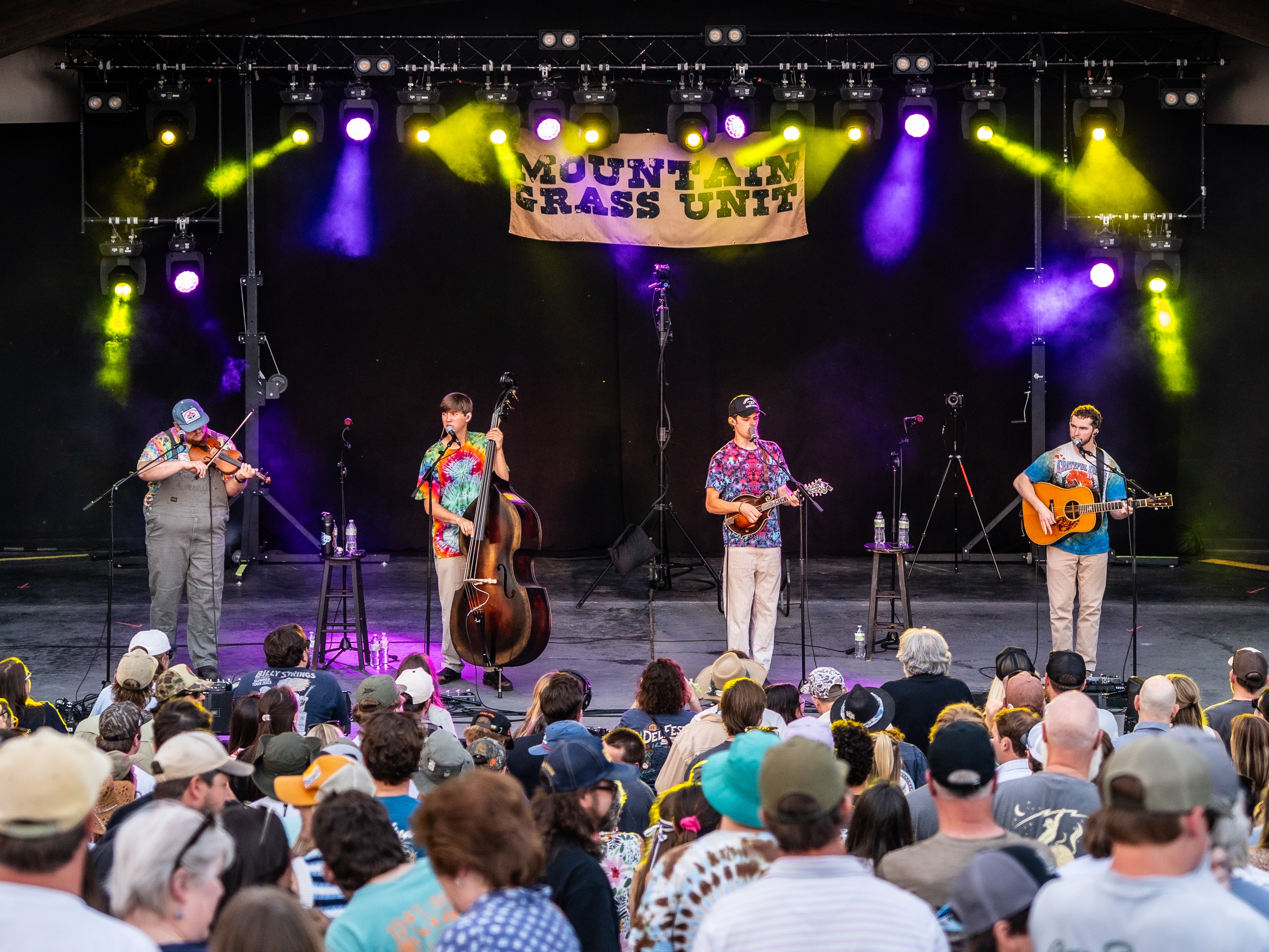

Ticket prices for Mountain Grass Unit shows move with several factors. The city and the market around it matter, since demand in larger metros tends to push prices up. Venue size is a major driver: an arena seats far more people than a theater, so the same tour can be priced very differently from one room to the next. Seat or floor position counts as well, because seats closer to the stage or in the central sections usually sell for more than those in the back or at the side. Timing matters too: prices can shift as a date approaches, rising when demand is strong and sometimes falling when a show is not selling well. For these reasons, two dates on the same tour can cost very differently even though the performance is identical.
VIP packages and meet and greet options are typically sold as bundles that may include a premium seat, early entry, merchandise, or a brief encounter with the band. What is included varies by date and venue, so read the listing carefully rather than assuming a standard set of perks. Availability also differs from show to show, and some dates may offer no packages at all. Presales are early access windows that come before general sale. Codes for presales generally come from the artist, the venue, or a card issuer that has a partnership with the tour. A presale code offered by a third-party site should be treated with caution, since legitimate codes are distributed through official channels.
Resale marketplaces can list tickets above or below face value, depending on demand and how close the show is. Before paying, check the section and row shown in the listing and compare them against the venue's seating map so you know exactly where you will sit. Also expect that many resale tickets are delivered electronically to a phone rather than as a printed or paper copy, so confirm you can access the transfer and that your phone will be available at the entrance.
A night out with Mountain Grass Unit usually runs for a fairly full evening, though exact timings depend on the venue and the promoter. Doors typically open an hour or so before the first act begins, and the headline set normally arrives after one or more support performances. Support acts vary from date to date, so the lineup printed on your ticket or the event page is the best guide to what you will see before the band takes the stage.
The headline set tends to balance familiar material with newer work, giving longtime listeners recognisable favourites while letting the band show how its sound has developed. Mountain Grass Unit's style is rooted in bluegrass and acoustic traditions, so expect tight instrumental passages, close vocal harmonies, and a pace that builds and eases rather than staying at one speed. Production is usually kept simple and focused on the players, with lighting and sound designed to bring out the detail of the acoustic arrangements rather than to overwhelm them.
A few practical points will help the evening go smoothly. Age policies are set by each individual venue, so check the event listing before you travel, especially if you are bringing younger guests. Arriving shortly after doors opens lets you find your place and settle in before the first act. Most venues have bag restrictions, so keep your belongings small and check the venue's rules in advance. Because acoustic music can be surprisingly loud up close, earplugs are worth carrying, and many people find them a comfortable way to enjoy the performance for longer.
I can't confidently name five to eight songs that Mountain Grass Unit's fans reliably expect, so this guide won't list titles I might get wrong. What I can say is that the exact setlist changes from night to night, so any particular song is a matter of chance rather than a guarantee. For a reliable picture of their core repertoire, check the act's official website, recent live recordings, and fan-run setlist archives, which usually show what has been played across many shows.
Sets like this typically blend crowd favourites with newer songs and occasional deeper cuts or covers, though the exact mix varies by venue, length of set and mood on the night. Fans often compare each night's setlist after the show, trading notes on which songs appeared, which were missing and whether any surprises turned up, so the post-show conversation is part of the experience.
Mountain Grass Unit is an acoustic string band whose name points directly to the mountain and bluegrass traditions it works within. The group's lineup is built around the core instruments of that style, typically fiddle, banjo, mandolin, acoustic guitar, and upright bass, with vocals shared among members in close harmony. The sound leans on a driving, chop-style rhythm from guitar and bass, with melodies that shift between high, lonesome singing and quick instrumental breaks. Listeners should expect clean, lightly amplified tone in which the banjo's bright attack and the fiddle's bowed sustain sit clearly in the mix. Arrangements generally balance original songs with older material reworked at a contemporary pace.
The current live show is built on simplicity, which suits acoustic music well. Staging tends to be understated: players are grouped closely around one or two microphones or a small set of mics, and lighting focuses on the musicians rather than on effects. Setlists usually move between fast instrumental numbers and slower ballads, with spoken introductions that give context to songs and tunes. Because the instruments are unamplified or lightly amplified, the room itself becomes part of the experience, and audiences often hear the subtleties of phrasing and harmony that louder productions can hide. Venues tend to be theaters, listening rooms, and mid-sized clubs, where sightlines to the stage are good and the sound carries evenly.
For a band in this tradition, notable milestones are best measured by the recordings fans return to, the festival stages where the group has performed, and its collaborations with other acoustic musicians. Rather than list details that may change, this guide recommends checking the band's official website and verified social channels for the current discography, album credits, and festival history. Listeners new to the catalog often find it useful to start with the band's most instrumentally focused recordings, where the interplay between fiddle, banjo, and bass is most audible, and then move to the songs that showcase the vocal harmonies. Anyone planning to see the group live should also look for recent releases and guest appearances, which are typically announced through official channels first.
Mountain Grass Unit sits within the broader acoustic and bluegrass-adjacent scene, which includes traditional bluegrass festivals, Americana rooms, and roots-oriented folk venues. Its audience is usually a mix of groups. Longtime bluegrass listeners recognize the tradition and enjoy hearing it carried forward, Americana fans are drawn by the songwriting and vocal blend, and younger listeners often arrive through the wider string-band revival that has brought new attention to acoustic instruments. The listeners who tend to enjoy the band most live are those who appreciate musicianship up close, like hearing harmony singing without heavy production, and are comfortable sitting attentively through quieter passages. The shows reward people who listen closely rather than people looking for a loud, dance-driven night.
Practical fan notes will vary by venue and date, but a few general patterns are common. Headline sets for acoustic bands of this kind often run roughly 75 to 100 minutes, sometimes with a single encore, and the exact length is worth confirming on the event listing. Openers are frequently regional acoustic acts, songwriters, or duos who play shorter sets and set a relaxed tone for the evening. Rooms usually feel attentive and friendly. Audiences tend to applaud after instrumental solos, and sing along on familiar choruses. Many listening rooms are seated, so arriving early helps with seat choice, and it is wise to check age policies, bag rules, and ticket options with the venue before heading out.
Readers planning a night out can browse the upcoming dates listed below, which show venues, cities, and ticket information where it has been published. Check each listing for start times, doors, and any changes, since dates can be adjusted by promoters and venues. Whether you are a longtime follower of acoustic string music or a newcomer curious about the sound, the list offers a useful way to find a show near you. Consider sampling a few recordings beforehand so the harmonies and instrumental passages feel familiar when you arrive. Then pick a date, arrive early, and enjoy the music in the room where it is meant to be heard.
Yes. Mountain Grass Unit is on tour in 2026, with 2 upcoming shows in 2 cities. The next one is Dec 5, 2026 at The Caverns - TN in Pelham.
Mountain Grass Unit is not playing today (Nov 26, 2026). The next show is Dec 5, 2026 at The Caverns - TN in Pelham.
All 2 upcoming Mountain Grass Unit shows are in the United States, with the most dates in North Carolina (1) and Tennessee (1). No dates outside the United States are listed right now.
Set length varies by venue, tour stop, and the rest of the night's schedule, so there is no fixed running time to promise. The event listing for your specific date is the best place to check any timing details. Plan for a full evening out and allow travel time both ways.
Opening acts can differ from one show to the next, so whether there is one depends on the specific date and venue. I can't name one here without risking outdated information. The dates listed on this page show the lineup for each performance, including any supporting artists. Check there before you buy, and if the listing is silent, contact the venue or ticketing provider.
Age policies are set by each venue and can differ between cities, so there isn't one rule for every Mountain Grass Unit show. Look at the event listing for your date, which should state whether the show is all ages or restricted. If the listing doesn't say, contact the venue before buying. Bring a valid photo ID, since venues often check it at the door.
Doors open before the performance, but the gap between doors and the start of the set changes from one show to the next, so no fixed interval applies. The exact doors and showtime for your date are printed on the event listing and often on your ticket. Arrive when doors open to look around, grab a drink, and find your seat before the music starts.
I don't have current prices, and they change, so I won't quote a figure. Ticket cost is usually shaped by the venue's capacity and seating layout, the date and day of the week, how close to the stage a seat sits, and the ticket seller's fees. Check the event listing for your date for the current price range.
VIP packages and meet-and-greet opportunities may not be offered at every show, so availability depends on the specific date. Any package details, what it includes, and how to buy it should be on the event listing or the official artist channels. If you don't see one, it may not be offered for that performance. Confirm inclusions in writing before paying.
On-sale dates and any presale windows vary by show, so I can't give a reliable date or code here. Presale access, when offered, is usually announced by the artist or venue through their official channels and mailing lists. Check the event listing for your date for the current sale schedule. Be wary of third-party sites promising codes, since they may be scams.
Policies depend on the venue, the promoter, and the reason for the change. If a show is postponed, your existing tickets are typically valid for the new date. If it is cancelled, refund rules vary, so read the terms on your ticket and the event listing. Keep your confirmation email and watch official channels for updates.